

As a supplier of both vertical and horizontal ring rolling machines, we are frequently asked how these two types of equipment compare-particularly in terms of floor space requirements. So, let's get straight to the point and take a deep dive into the differences between them.
Space Requirements
In terms of spatial footprint, vertical ring rolling machines offer distinct advantages over their horizontal counterparts. Horizontal ring rolling machines typically require a spacious and level site to operate effectively. Their design layout is relatively dispersed, with the primary rolling components arranged horizontally. Consequently, such equipment occupies a substantial amount of floor space-not only to accommodate the length of the machine itself but also to provide clearance for material handling and operator access.
In contrast, the vertical ring rolling machine is designed to maximize space efficiency. Its vertical structural layout allows it to fully utilize vertical space rather than spreading out horizontally. This presents a significant advantage for factories or workshops with limited floor area; you can install the vertical equipment within a smaller footprint, thereby freeing up the remaining space for other machinery or storage purposes.
For instance, in small-scale manufacturing facilities where space is at a premium, the vertical ring rolling machine stands out as a game-changing tool; it enables enterprises to maximize production capacity without the need to invest capital in expanding their plant facilities.
Efficiency in Small Spaces
The vertical ring rolling machine not only conserves space but also maintains high operational efficiency within confined working environments. Thanks to its vertical configuration, the material handling process is further streamlined; for instance, the loading and unloading of ring workpieces can be accomplished within a more compact footprint. Furthermore, this vertical design facilitates easier access to the machine's various working components for inspection and repair, thereby effectively reducing the time required for maintenance and equipment commissioning.
In contrast, horizontal ring rolling machines typically require more complex material handling equipment to facilitate the lifting and feeding of large ring forgings. Since these machines are designed to handle heavy workpieces, they generally feature massive frames and demand ample floor space for the transfer of forgings. Vertical ring rolling machines, on the other hand, are specialized for the production of smaller ring forgings; the handling of these smaller workpieces is accomplished using robotic manipulators. Given their compact size, these manipulators can flexibly transport ring forgings within confined areas, thereby enabling the equipment to achieve highly efficient production operations-even in environments where space is limited.
Flexibility and Adaptability
Another aspect to consider is the flexibility of the vertical type ring rolling machine. These machines can be easily integrated into existing production lines, even in tight spaces. Their compact design allows them to be placed in areas where horizontal machines simply won't fit.
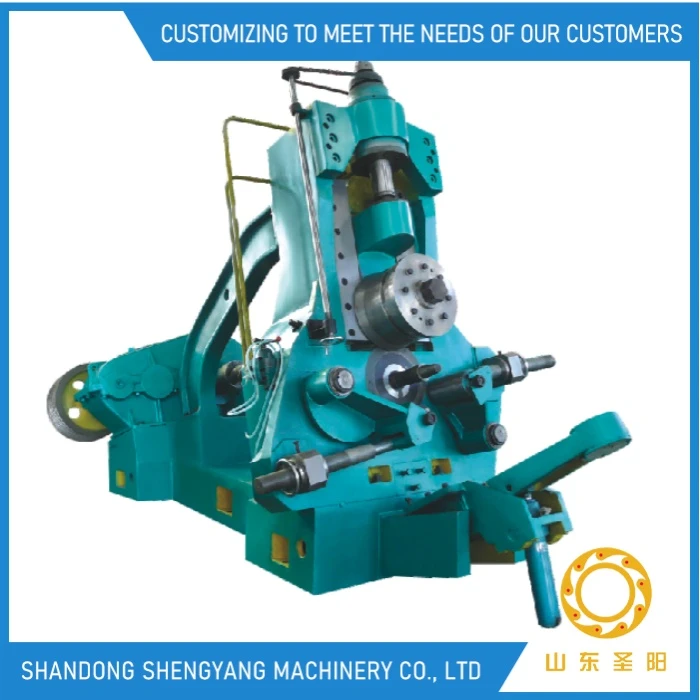
For example, if your existing factory layout has limited space between production units, installing a vertical ring rolling mill does not require large-scale modifications to the plant facilities. This is undoubtedly an excellent option for companies looking to increase production capacity without a complete overhaul.
In summary, assuming identical production conditions for small ring forgings, vertical ring mills offer a significant space advantage over horizontal mills. However, vertical ring mills are only suitable for manufacturing small ring products. If your product has an excessively large outer diameter or is too heavy, a vertical ring mill will be unable to produce it.
Cost-benefit analysis of space utilization under the premise of producing small ring-shaped products.From a cost-effectiveness perspective, vertical ring rolling mills offer significant advantages. Their smaller footprint allows you to save on the costs of renting or purchasing larger factory buildings. Furthermore, the reduced space requirements also lead to energy cost savings, as the area requiring refrigeration and lighting is correspondingly reduced.
Investing in a vertical ring rolling mill gives you more than just a high-quality piece of equipment; it provides a solution that helps you optimize your production space. This translates into long-term cost savings and increased profitability for your business.
